


London is one of the most interesting cities to explore in the United Kingdom. It is known for its royal landmarks, historic buildings, famous museums, beautiful parks, and the River Thames. Whether you are visiting for the first time or planning a short city break, there are plenty of things to do in London.
The city has a long history that goes back to Roman times. Over the centuries, it became an important centre of trade, politics, culture, and the British monarchy. Today, you can see this history in its ancient towers, grand churches, famous streets, and museums.
But London is not only about historic attractions. The city also has excellent public transport, lively neighbourhoods, interesting food spots, and plenty of places to enjoy a relaxed day.
If you are planning your first trip, it helps to know which attractions are worth adding to your itinerary. In this guide, we will explore some of the most important places to visit in London, along with what makes each destination special.
This is Part 1 of our London travel guide. Let’s begin with some of the city’s most famous historic landmarks.
1. Visit the Tower of London
The Tower of London is one of the most famous historic attractions in the city. Located beside the River Thames, this impressive fortress has played an important role in London’s history for almost 1,000 years.
The Tower was originally built after the Norman Conquest and became a royal castle and stronghold. Over time, it served many purposes, including a royal residence, prison, and place of execution.
Today, the Tower of London is a popular destination for visitors who want to learn about the history of the British monarchy and the city itself.
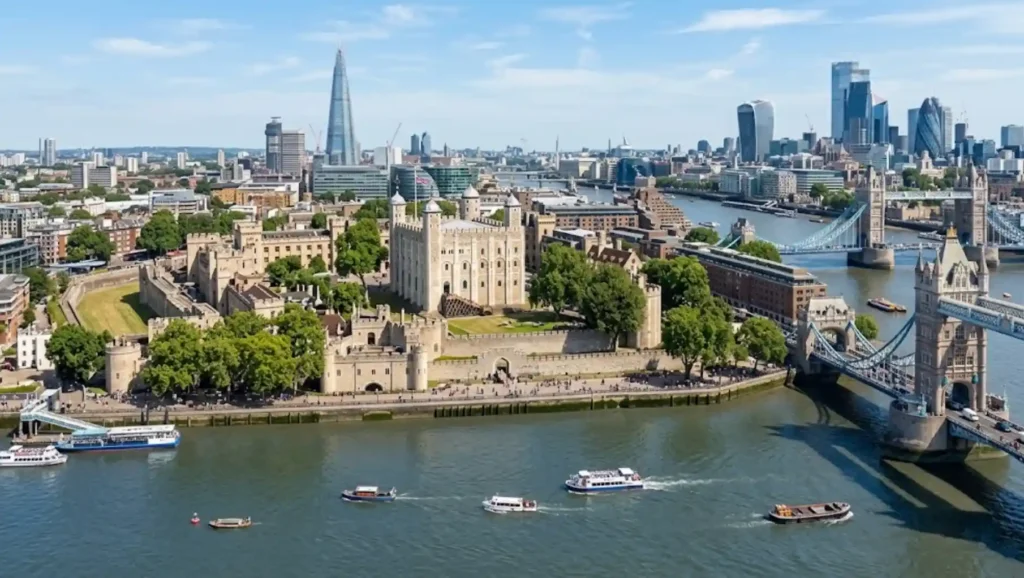
What Can You See at the Tower of London?
One of the biggest attractions inside the Tower is the Crown Jewels. This collection includes royal crowns, ceremonial objects, and other valuable items connected with the British monarchy.
The Crown Jewels are displayed in a special exhibition area and attract visitors from around the world. They are among the most well-known royal treasures in Britain.
The Tower also has a darker history. It was used as a prison for important political and royal figures, and some famous executions took place here. Anne Boleyn, the second wife of King Henry VIII, was one of the most famous people executed at the Tower.
Visitors can also learn about the fortress, its royal history, and the people who lived and worked there.
Things to Know Before Visiting
The Tower of London is a large historic complex, so you may need several hours to explore it properly. Buying tickets in advance can help you plan your visit, especially during busy travel seasons.
The attraction also offers guided tours and historical talks. These can be useful if you want to understand more about the events that took place inside the Tower.
Location: Tower Hill, London
Best for: History lovers, families, and first-time visitors.
2. Take a Walking Tour of Central London
A walking tour is a great way to discover London, especially if it is your first visit. The city is full of historic streets, famous buildings, old churches, and interesting neighbourhoods.
Instead of visiting attractions one by one without knowing their background, a walking tour can help you understand how different parts of London developed over time.
There are many walking tour options in London. Some focus on the city’s Roman history, while others explore royal landmarks, political buildings, or famous neighbourhoods.
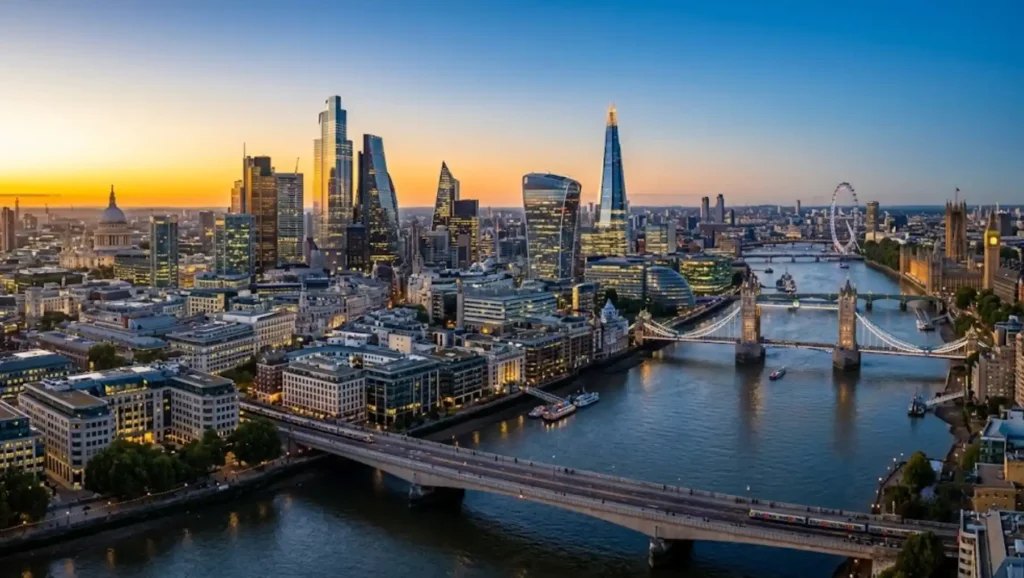
Explore the City of London
The City of London is the historic core of the capital. It is also one of the main financial districts in the United Kingdom.
This area has a long connection with Roman London, which was known as Londinium. The Romans established a settlement here and built defensive walls around it.
During a walking tour, you may come across historic streets, old churches, and remains of the original Roman settlement. At the same time, you will see modern office buildings and busy business streets.
This contrast makes the City of London an interesting place to explore.
Discover Westminster
Another popular walking tour option is Westminster. This area is closely connected with British politics, religion, and the monarchy.
It is home to important landmarks such as Big Ben, the Houses of Parliament, and Westminster Abbey.
A guided walk through Westminster can help explain how the area became one of the most important parts of London.
Travel tip: A walking tour can be a useful activity for your first day because it gives you a better idea of the city’s layout and major landmarks.
3. Enjoy the View from St. Paul’s Cathedral
St. Paul’s Cathedral is one of the most recognisable buildings in London. Its large dome is a famous part of the city’s skyline and can be seen from several locations around the River Thames.
The cathedral has an important place in London’s religious and architectural history. The present building was designed by Sir Christopher Wren after the Great Fire of London in 1666 destroyed much of the old city.
Construction of the current cathedral took place during the late 17th and early 18th centuries.
Explore the Cathedral Interior
Inside St. Paul’s Cathedral, visitors can see impressive architecture, artwork, memorials, and historic tombs.
The cathedral has also hosted important national events and ceremonies over the years.
The crypt is another interesting part of the building. It contains the tombs of several well-known British figures, including the Duke of Wellington and Admiral Lord Nelson.
Climb to the Dome
One of the main reasons people visit St. Paul’s Cathedral is the view from its dome.
The cathedral has viewing areas including the Stone Gallery and the Golden Gallery. These provide different views across central London.
To reach the higher viewing areas, visitors need to climb a series of steps. Some passages are narrow, so it is worth considering this if you have mobility concerns or feel uncomfortable in enclosed spaces.
From the top, you can enjoy views of London’s famous buildings and the surrounding city.
Location: St Paul’s Churchyard, London
Best for: Architecture, history, photography, and city views.
4. Explore Westminster and Big Ben
Westminster is one of the most important areas to visit in London. It is closely connected with the British government, monarchy, and religious history.
The area includes some of the city’s most famous landmarks, making it a popular stop for first-time visitors.
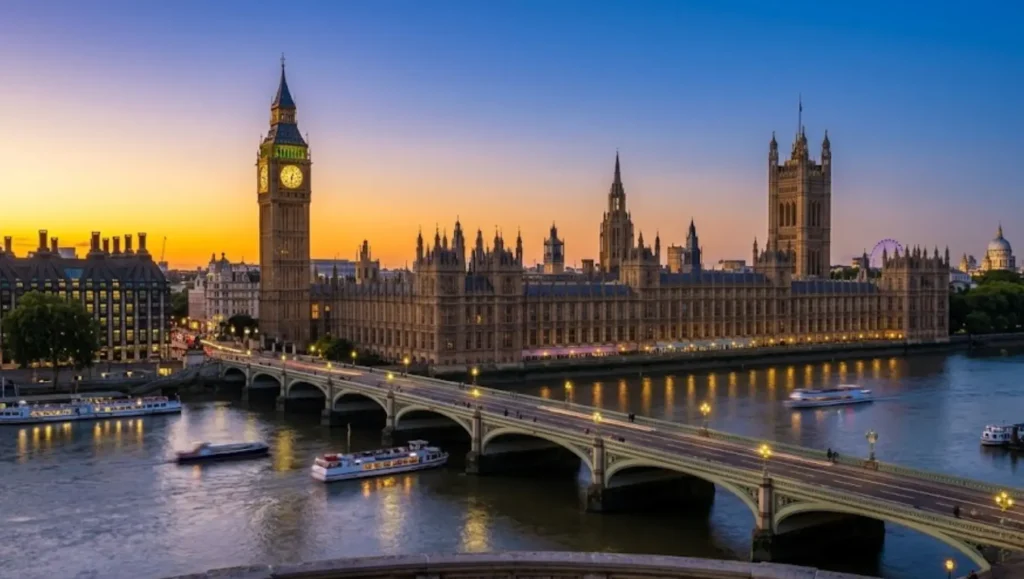
See Big Ben
Big Ben is one of London’s most recognisable landmarks. However, the name technically refers to the great bell inside the clock tower. The tower itself is officially called the Elizabeth Tower.
The clock tower forms part of the Palace of Westminster, which is home to the Houses of Parliament.
Visitors often come to Westminster Bridge to enjoy views of Big Ben and the River Thames. The bridge is also a popular place for taking photographs.
Visit the Houses of Parliament
The Houses of Parliament is the centre of the UK’s parliamentary government. The building has a long history and is an important part of London’s political landscape.
Guided tours may allow visitors to explore parts of the building and learn about how Parliament works.
If you are interested in British politics, architecture, or history, this is an attraction worth learning more about before your visit.
Walk Across Westminster Bridge
Westminster Bridge connects the northern and southern sides of the River Thames.
Walking across the bridge gives you excellent views of Big Ben, the Palace of Westminster, and the river.
It is also a convenient starting point for exploring other attractions around Westminster and the South Bank.
Best for: Landmark photography, history, and sightseeing.
5. Discover the History of Westminster Abbey
Westminster Abbey is one of the most important religious and historic buildings in London.
The church has been connected with the British monarchy for centuries and is known for royal coronations, memorials, and historic burials.
A visit to Westminster Abbey offers a chance to explore the relationship between religion and the British monarchy.
What Makes Westminster Abbey Special?
The present building was developed over several centuries, with major construction taking place from the 13th to the 16th centuries.
The Abbey contains the tomb of Edward the Confessor, who played an important role in its early history.
It is also the final resting place of many famous figures from British history. Visitors can find memorials and burial sites connected with monarchs, writers, scientists, and other important people.
Among the well-known names associated with Westminster Abbey are Sir Isaac Newton and Charles Darwin.
Explore the Architecture
The interior of Westminster Abbey features impressive Gothic architecture, historic monuments, and beautiful details.
The building is more than a place of worship. It also tells the story of Britain’s monarchy, religion, and national history.
If you enjoy learning about historical events, a guided tour can make your visit more meaningful.
Travel tip: Check the official opening hours and ticket arrangements before visiting. Westminster Abbey is an active religious building, so access may vary on certain days.
Best for: History, royal landmarks, architecture, and cultural sightseeing.
6. Visit the British Museum
The British Museum is one of London’s best-known museums. It contains a huge collection of objects from different parts of the world and offers visitors a chance to explore human history and culture.
The museum is located in Bloomsbury and is a popular attraction for travellers interested in ancient civilisations, archaeology, and art.
What Can You See Inside?
The museum has collections covering thousands of years of history. Visitors can explore objects connected with ancient Egypt, Greece, Rome, and many other civilisations.
Some of the most famous items include the Rosetta Stone and Egyptian mummies.
The museum also contains sculptures, coins, manuscripts, and other historic objects.
Why Is the Museum Important?
The British Museum provides information about the development of human societies and the cultures that shaped the world.
However, the museum’s collections also raise important questions about colonial history and the ownership of cultural objects. Some artefacts were acquired during the period of British imperial expansion, and their ownership remains a subject of debate.
This makes the museum interesting not only for its exhibits but also for the wider history behind them.
Plan Your Visit
The museum is generally free to enter, although special exhibitions may charge an admission fee. Some visitors choose to reserve a free entry slot in advance.
Because the museum is large, it is helpful to decide which sections you want to explore before arriving.
Location: Great Russell Street, London
Best for: Ancient history, archaeology, culture, and museums.
7. Explore the National Portrait Gallery
The National Portrait Gallery is another interesting museum in central London. It focuses on portraits of important people from British history.
The gallery is located near Trafalgar Square and offers a different way to learn about the country’s past.
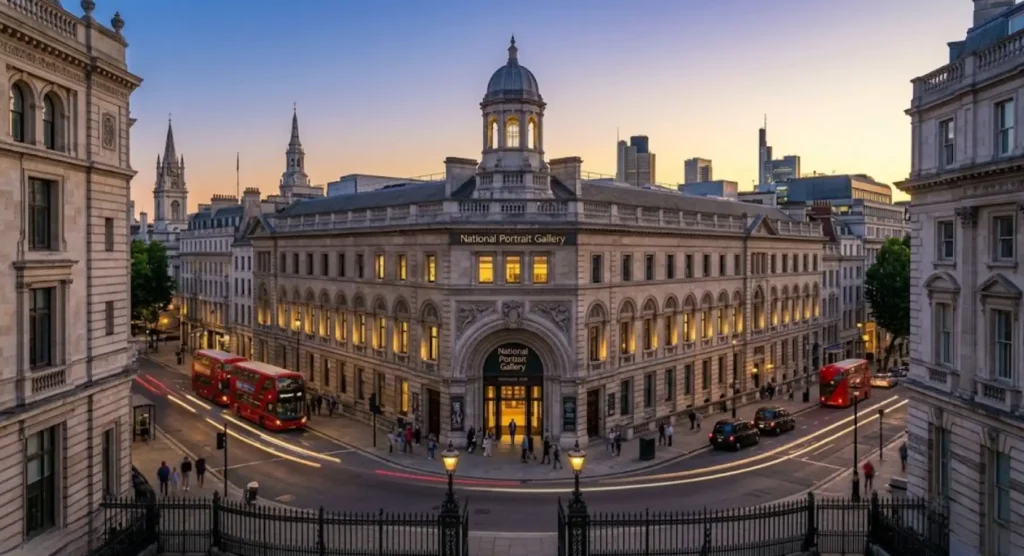
What Can You Find Here?
The collection includes portraits of monarchs, artists, writers, political figures, and other well-known people.
These portraits help visitors understand the people who influenced Britain’s history and culture.
The gallery also includes works connected with social movements and important historical changes.
Why Visit the National Portrait Gallery?
If you enjoy art and history, this museum can be a useful addition to your London itinerary.
It provides a more personal look at historical figures and the events connected with their lives.
The gallery also offers tours and activities that can help visitors understand the artwork and its historical background.
Location: St Martin’s Place, London
Best for: Art lovers, history enthusiasts, and cultural sightseeing.
8. See Famous Art at the National Gallery
The National Gallery is located in Trafalgar Square and is one of the most famous art museums in London.
It houses a large collection of paintings from different periods of European art.
The gallery is a popular destination for visitors who want to see famous artworks in a historic museum setting.
What Can You See?
The collection includes paintings from the Renaissance, Dutch Golden Age, and Impressionist periods.
Visitors can find works by famous artists such as Titian, Johannes Vermeer, and Vincent van Gogh.
The museum offers a chance to explore different art styles and learn about the development of European painting.
Plan Your Visit
The National Gallery has a large collection, so it may not be possible to see everything in one visit.
If you have limited time, consider choosing a few sections or famous paintings that interest you most.
The museum also offers visitor information and exhibitions that can help you plan your day.
Location: Trafalgar Square, London
Best for: Art, history, and cultural experiences.
9. Discover London’s Free Museums
One of the advantages of visiting London is the number of museums that offer free general admission.
This makes it easier for travellers to explore the city’s history and culture without spending a large amount of money on entrance tickets.
In addition to the British Museum and National Gallery, there are several other museums worth considering.
Natural History Museum
The Natural History Museum is a popular attraction in South Kensington.
It is known for its collection of natural history objects, including dinosaur fossils, minerals, and displays about the natural world.
The museum is particularly popular with families and children.
Victoria and Albert Museum
The Victoria and Albert Museum, often called the V&A, focuses on art, design, fashion, and decorative objects.
It has a wide range of collections and is a good choice for visitors interested in creativity and design.
Imperial War Museum
The Imperial War Museum explores the history and impact of modern conflicts.
Its collections include military objects, photographs, and personal stories connected with wartime experiences.
The museum can help visitors understand the wider human impact of war.
Travel tip: Check museum opening hours and any booking requirements before visiting. Free admission does not always mean every exhibition or activity is free.
10. Learn About London’s History Through Its Landmarks
London has many attractions that tell the story of how the city developed over time.
From the Roman settlement around the City of London to the royal buildings of Westminster, the city offers a wide range of historical experiences.
Exploring these landmarks can help you understand the different periods that shaped London.
A City Full of History
The Tower of London shows the importance of royal power and defence.
St. Paul’s Cathedral represents the city’s religious and architectural history.
Westminster Abbey connects with the monarchy and national ceremonies.
The British Museum and other museums provide a wider look at history, art, and culture.
Together, these places offer a useful introduction to London’s past.
Final Thoughts
London is a city with something for almost every type of traveller. Whether you enjoy history, architecture, art, or famous landmarks, there are many places to explore.
For first-time visitors, attractions such as the Tower of London, St. Paul’s Cathedral, Westminster Abbey, and the British Museum can provide a strong introduction to the city.
Walking tours are another useful way to discover London’s history and understand how its different neighbourhoods developed.
In Part 2 of our guide, we will explore more things to do in London, including food markets, the South Bank, Buckingham Palace, theatre experiences, and other popular attractions.
Stay tuned for the next part of our London travel guide.
Read Also – Things to Do in London for First Timers – Part 2



Pingback: Things to Do in London: Museums, Palaces & Food
Pingback: Things to See in Amsterdam: First-Timer’s Guide