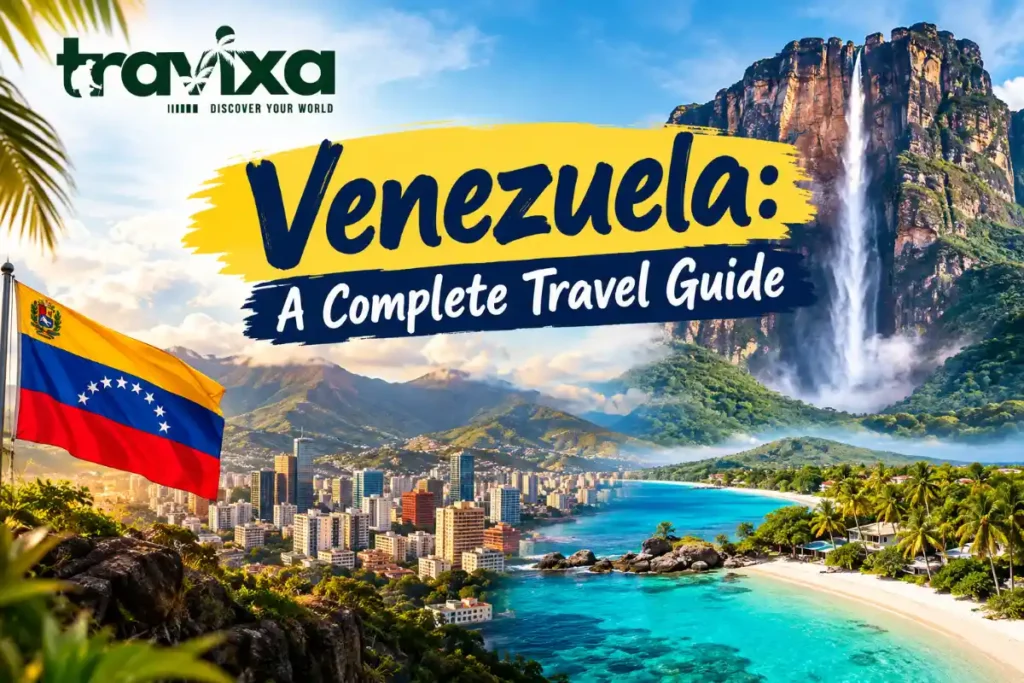

Venezuela is one of South America’s most naturally diverse countries. It is known for its Caribbean coastline, high mountains, tropical rainforests, विशाल plains, and Angel Falls, one of the most famous natural attractions in the world.
Located on the northern coast of South America, Venezuela offers a wide variety of landscapes within one country. Visitors can explore beautiful beaches, national parks, the Andes Mountains, the Amazon region, and the wide grasslands known as Los Llanos.
Venezuela has a rich culture shaped by Indigenous communities, Spanish colonial history, African influences, and modern South American traditions. Although the country has faced economic and political challenges in recent years, its natural beauty and cultural identity continue to make it an important part of South America.
This Venezuela travel guide covers its geography, history, culture, famous places, food, climate, transportation, and important travel information.
About Venezuela
The official name of the country is the Bolivarian Republic of Venezuela. It is located in the northern part of South America and has a long coastline along the Caribbean Sea.
Venezuela shares borders with Colombia to the west, Brazil to the south, and Guyana to the east. The country also has access to the Caribbean Sea and the Atlantic Ocean.
One of the most interesting things about Venezuela is its geographical diversity. Within its borders, travelers can find snow-covered mountain peaks, tropical forests, open grasslands, rivers, waterfalls, and Caribbean islands.
The capital city is Caracas, which is the country’s largest urban and political center. Venezuela is also home to many important natural resources, particularly petroleum.
Despite its challenges, Venezuela remains famous for its dramatic landscapes and natural attractions.
Venezuela Quick Facts
| Category | Details |
|---|---|
| Official Name | Bolivarian Republic of Venezuela |
| Continent | South America |
| Capital | Caracas |
| Official Language | Spanish |
| Currency | Venezuelan Bolívar |
| Largest City | Caracas |
| Famous For | Angel Falls, oil reserves and Caribbean coast |
| Region | Northern South America |
| Bordering Countries | Colombia, Brazil and Guyana |
| Coastline | Caribbean Sea and Atlantic Ocean |
Where Is Venezuela Located?
Venezuela is located in the northern part of South America. Its northern coastline faces the Caribbean Sea, giving the country access to many coastal areas and islands.
The location makes Venezuela geographically important because it connects the Caribbean region with the rest of South America.
The country has several different geographical regions. These include the Andes Mountains in the west, the Amazon rainforest in the south, the Orinoco River basin, the Guiana Highlands, and the Caribbean coastal region.
This diversity means that Venezuela offers very different travel experiences depending on where you visit.
A trip to the mountains can feel completely different from a visit to the tropical coast or the grasslands of Los Llanos.
Geography and Natural Landscape
Venezuela is one of the most geographically diverse countries in South America.
The country can be divided into several major natural regions.
The Andes Mountains
The Andes extend into western Venezuela. This region has cooler temperatures, mountain towns, and beautiful highland scenery.
The Caribbean Coast
The northern part of Venezuela has a long coastline with beaches, islands, and tropical landscapes.
Los Llanos
Los Llanos is a large tropical grassland region shared mainly between Venezuela and Colombia. It is known for its wildlife and open landscapes.
The Guiana Highlands
The southeastern part of Venezuela contains ancient mountains, forests, and spectacular waterfalls.
The Amazon Region
Southern Venezuela includes areas of tropical rainforest and Indigenous communities.
The country’s geographical diversity is one of its biggest strengths. A traveler can experience several completely different environments without leaving Venezuela.
History of Venezuela
Before the arrival of Europeans, Venezuela was home to several Indigenous communities.
Spanish explorers arrived in the region during the late 15th and early 16th centuries. The country later became part of the Spanish colonial empire.
The name Venezuela is often linked to the Italian city of Venice. According to a popular explanation, early European explorers saw Indigenous houses built on stilts over water and were reminded of Venice. This led to the name “Venezuela,” meaning “Little Venice.”
Venezuela gained independence from Spain in the early 19th century. One of the most important figures in its independence movement was Simón Bolívar.
Bolívar is remembered as a major leader in the struggle for independence across several South American countries. Because of his importance, Venezuela officially uses the name Bolivarian Republic of Venezuela.
During the 20th century, Venezuela became one of the world’s major oil-producing countries. Oil transformed the country’s economy and had a major impact on its development.
Caracas: The Capital City
Caracas is the capital and largest city of Venezuela.
It is located in a valley surrounded by mountains in the northern part of the country.
Caracas is the country’s main center for:
- Government
- Business
- Education
- Culture
- Transportation
The city has modern buildings, historical landmarks, museums, universities, and busy neighborhoods.
Caracas is also located relatively close to the Caribbean coast, although the mountains separate the city from the sea.
Like many large South American cities, Caracas has a mixture of modern urban areas and historical neighborhoods.
Visitors should carefully research current local conditions before planning travel to the city.
Venezuelan Culture
Venezuelan culture is a mixture of Indigenous, European, and African influences.
Spanish is the main language spoken throughout the country, but Indigenous languages are also spoken by some communities.
Music and dance play an important role in Venezuelan culture.
Traditional musical styles often include instruments such as:
- Harp
- Guitar
- Maracas
- Cuatro
The cuatro is a small four-string instrument that is strongly connected with Venezuelan music.
Baseball is one of the country’s most popular sports, and Venezuela has produced many well-known professional baseball players.
Football is also widely followed.
Family gatherings, music, food, festivals, and religious celebrations are important parts of everyday life.
Best Places to Visit in Venezuela
Venezuela has many beautiful natural and cultural destinations.
1. Angel Falls
Angel Falls is Venezuela’s most famous natural attraction.
Located in Canaima National Park, Angel Falls is widely known as the world’s tallest uninterrupted waterfall.
The waterfall drops from Auyán-tepui, a large flat-topped mountain known as a tepui.
The surrounding landscape includes:
- Tropical forests
- Rivers
- Mountains
- Waterfalls
Visiting Angel Falls is often considered one of the most memorable experiences in South America.
The area is remote, and travel usually requires organized transportation and careful planning.
2. Canaima National Park
Canaima National Park is one of Venezuela’s most important protected natural areas.
The park is famous for its tepuis, which are ancient table-top mountains rising dramatically above the surrounding forests.
These mountains have inspired explorers, filmmakers, scientists, and nature lovers.
The park also contains rivers, waterfalls, forests, and unique wildlife.
Canaima is a popular destination for travelers interested in nature and adventure tourism.
3. Los Roques Archipelago
Los Roques is a group of islands and coral reefs located in the Caribbean Sea.
It is known for its:
- White sandy beaches
- Clear blue water
- Coral reefs
- Small islands
- Water sports
Los Roques is one of the most beautiful coastal destinations in Venezuela.
The area is particularly attractive for snorkeling, sailing, swimming, and relaxing on quiet beaches.
4. Mérida
Mérida is located in the Venezuelan Andes and is known for its mountain scenery and cooler climate.
The city is popular among travelers who enjoy:
- Mountains
- Hiking
- Outdoor activities
- Cultural attractions
The surrounding region offers a very different experience from Venezuela’s tropical beaches and forests.
5. Isla Margarita
Isla Margarita is one of Venezuela’s best-known Caribbean islands.
It has beaches, resorts, restaurants, and a warm tropical climate.
The island has long been popular with domestic travelers and visitors looking for a coastal holiday experience.
6. Los Llanos
Los Llanos is a large grassland region known for its wildlife.
Nature lovers may see animals such as:
- Capybaras
- Caimans
- Birds
- Monkeys
- Deer
- Anacondas
The region is often compared to a wildlife safari destination because of its open landscapes and animal populations.
Angel Falls: Venezuela’s Most Famous Attraction
Angel Falls deserves special attention because it is one of the country’s biggest symbols.
The waterfall is located in a remote part of Canaima National Park.
Its dramatic height and surrounding rainforest make it one of the most impressive natural attractions in the world.
Traveling to Angel Falls is an adventure in itself. Visitors often travel through rivers and forest areas before reaching viewing points.
The journey can depend on weather conditions and water levels.
For many travelers, Angel Falls represents the wild and untouched side of Venezuela.
Food in Venezuela
Venezuelan food is diverse and influenced by Indigenous, Spanish, African, and Caribbean traditions.
Corn, rice, meat, beans, cheese, plantains, and tropical fruits are common ingredients.
Arepas
Arepas are one of the most famous Venezuelan foods.
They are round cornmeal cakes that can be grilled, baked, or fried.
Arepas are usually filled with ingredients such as:
- Cheese
- Chicken
- Beef
- Beans
- Avocado
They are eaten at different times of the day and are an important part of Venezuelan food culture.
Pabellón Criollo
Pabellón Criollo is often considered one of Venezuela’s traditional national dishes.
It usually includes shredded beef, rice, black beans, and fried plantains.
Hallaca
Hallaca is a traditional dish often associated with Christmas celebrations.
It contains a mixture of ingredients wrapped in plantain leaves and cooked.
The preparation of hallacas is often a family activity.
Cachapas
Cachapas are sweet corn pancakes usually served with cheese.
They are popular as a snack or meal.
Weather and Climate in Venezuela
Venezuela has a mostly tropical climate, but weather conditions vary greatly because of the country’s different geographical regions.
Coastal and lowland areas are generally hot and humid.
Mountain regions can be much cooler, especially at higher elevations.
The country experiences wet and dry periods, although conditions can vary by region.
| Region | Typical Climate |
|---|---|
| Caribbean Coast | Hot and tropical |
| Caracas | Warm with mountain influence |
| Andes Mountains | Cooler |
| Amazon Region | Hot and humid |
| Los Llanos | Tropical with wet and dry seasons |
| Guiana Highlands | Tropical and humid |
Travelers should research the weather in their specific destination rather than relying on one national forecast.
Best Time to Visit Venezuela
The best time to visit Venezuela depends on where you want to travel and what activities you plan to do.
For beach holidays, many visitors prefer periods with good sunshine and stable weather.
For nature destinations and waterfalls, rainfall can affect the appearance of rivers and waterfalls.
Angel Falls, for example, can be influenced by seasonal rainfall and water levels.
Before planning a trip, check:
- Weather conditions
- Road access
- Domestic flight schedules
- National park availability
- Local travel advice
Different parts of Venezuela can have very different travel conditions at the same time of year.
Wildlife in Venezuela
Venezuela has a rich variety of wildlife because of its forests, grasslands, mountains, and coastal ecosystems.
The country is home to many species of birds, mammals, reptiles, and marine animals.
Los Llanos is particularly famous for wildlife watching.
The Amazon and southern forest regions also support many different animal species.
Nature travelers may have opportunities to see:
- Jaguars
- Capybaras
- Caimans
- Monkeys
- Anacondas
- Tropical birds
- Dolphins
- Sea turtles
Wildlife viewing should always be done responsibly and with experienced local guides.
Transportation in Venezuela
Transportation options vary depending on the region.
In major cities, travelers can use taxis, buses, and other local transport.
Long-distance travel may involve:
- Domestic flights
- Buses
- Private vehicles
- Boats
Remote destinations such as Angel Falls and some national parks may require special transport arrangements.
Travel infrastructure can vary significantly between cities and rural areas.
It is important to plan transportation in advance, especially when visiting remote regions.
Currency and Money
Venezuela uses the Venezuelan Bolívar as its official currency.
The country’s financial and currency situation has experienced significant changes over the years.
Travelers should research the latest payment methods and currency information before visiting.
It is especially important to check:
- Current exchange rates
- Card acceptance
- Cash availability
- ATM access
- Payment options at hotels
Financial conditions can change, so current information should always be checked before travel.
Travel Tips for Venezuela
Traveling to Venezuela requires more preparation than visiting some mainstream tourist destinations.
Here are some useful tips.
Research Current Travel Conditions
Travel conditions can change. Always check official government travel advice before booking your trip.
Plan Your Transportation
Some destinations are remote and may require flights, boats, or guided tours.
Learn Basic Spanish
Spanish is the main language spoken in Venezuela. Learning a few basic phrases can make travel easier.
Carry Important Documents Safely
Keep copies of your passport, travel insurance, and important bookings.
Book Accommodation Carefully
Choose reliable accommodation and confirm reservations before arrival.
Stay Updated
Follow local news and official travel updates during your trip.
Is Venezuela Safe for Tourists?
Safety conditions can vary depending on the city and region.
Travelers should carefully research current official advice before visiting Venezuela.
Like any destination, it is important to:
- Avoid carrying expensive items openly
- Keep documents secure
- Use trusted transportation
- Avoid unfamiliar areas at night
- Follow local advice
- Stay informed about current conditions
Travel plans should be flexible, and visitors should understand the situation in the specific areas they intend to visit.
Why Visit Venezuela?
Venezuela offers some of the most dramatic natural landscapes in South America.
It is a destination for travelers who are interested in adventure, nature, wildlife, mountains, waterfalls, and Caribbean beaches.
Reasons to visit include:
- Angel Falls
- Beautiful Caribbean islands
- Diverse wildlife
- Tropical landscapes
- The Andes Mountains
- Unique food and culture
- National parks
- Adventure travel opportunities
The country has the potential to offer experiences that are difficult to find elsewhere.
Venezuela Travel: Advantages and Challenges
| Advantages | Challenges |
|---|---|
| Incredible natural beauty | Travel conditions can change |
| Angel Falls | Requires careful planning |
| Caribbean beaches | Infrastructure varies |
| Rich wildlife | Remote areas can be difficult to reach |
| Diverse landscapes | Current information is essential |
| Unique culture | Safety planning is important |
Interesting Facts About Venezuela
- Venezuela is home to Angel Falls, one of the world’s most famous waterfalls.
- The country has a long Caribbean coastline.
- Simón Bolívar, an important South American independence leader, was born in Venezuela.
- Venezuela has some of the world’s largest proven petroleum reserves.
- The country contains part of the Amazon rainforest.
- Baseball is one of the most popular sports in Venezuela.
- Venezuela has mountains, rainforests, beaches, grasslands, and islands within one country.
- The name Venezuela is traditionally connected with the idea of “Little Venice.”
Conclusion
Venezuela is a country with extraordinary natural diversity. From the Caribbean coastline and tropical islands to the Andes Mountains and Amazon forests, the country offers a wide range of landscapes and travel experiences.
Angel Falls remains its most famous attraction, but Venezuela has much more to offer. Los Roques, Canaima National Park, Los Llanos, Mérida, and Isla Margarita all show different sides of the country.
Venezuela may require careful travel planning, but its natural beauty, wildlife, culture, and history make it one of the most interesting countries in South America. For travelers who enjoy discovering destinations beyond the usual tourist routes, Venezuela can offer a truly memorable experience.
Read Also – Oceania Marshall Islands: A Complete Travel Guide