






Have you ever wondered how blockchain technology is changing the way we own things? While most people think of Bitcoin or Ethereum when they hear about crypto, there is another powerful digital asset class quietly reshaping finance: security tokens.
If traditional stocks and bonds had a digital upgrade, security tokens would be it. In this guide, we will break down what security tokens are, how they work, how they differ from standard cryptocurrencies, and why they matter to modern investors—all explained in simple, human-friendly terms.
1. What Is a Security Token?
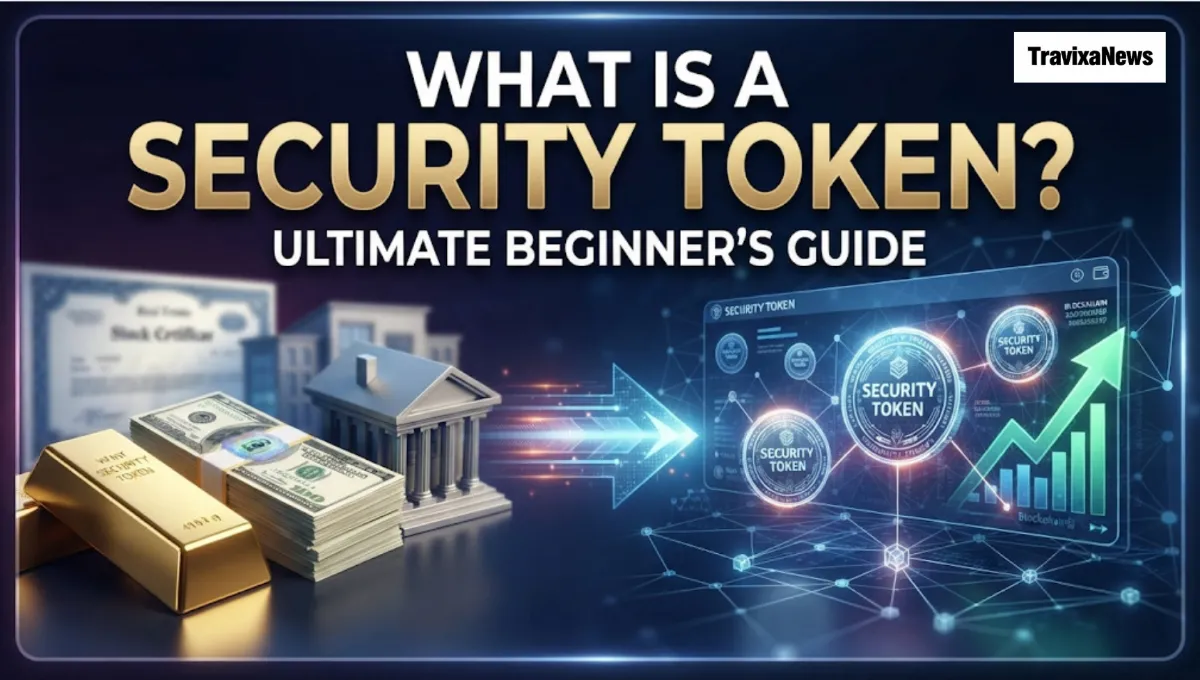
At its core, a security token is a digital asset built on a blockchain that represents true ownership or rights in a real-world asset, company, or fund.
Just like traditional paper stock certificates of the past proved you owned a piece of a company, a security token serves as your modern, digital proof of ownership.
- How it is created: Through a process called tokenization, an asset’s data and ownership details are recorded onto a secure blockchain ledger.
- What it represents: It can represent company shares, real estate, precious metals, or even private equity funds.
- Regulation: Because they function like traditional financial securities, they are strictly regulated by government bodies (such as the SEC in the United States) to protect investors.
Fun Fact: Tokenization isn’t limited to company stocks. Theoretically, anything with value can be tokenized—even a car. Imagine a car’s Vehicle Identification Number (VIN) and your ownership details being securely registered on a blockchain. Buying or selling the token instantly transfers legal ownership of the vehicle!
2. How Security Tokens Work
Understanding the mechanics behind security tokens helps demystify how they function in the digital economy:
- Asset Selection: A company or issuer decides to tokenize an underlying asset (e.g., shares of a private company or real estate property).
- Blockchain Recording: The details of the asset, its legal rights, and the issuer’s terms are encoded into a digital token on a blockchain.
- Issuance & Wallets: The token is issued to investors. When you hold the token in your digital wallet, it tracks your ownership stake, records your value, and can even distribute dividends automatically.
- Trading: These tokens can then be bought, sold, or traded on specialized, licensed security token exchanges (STXs) rather than regular crypto exchanges.
3. Security Tokens vs. Traditional Cryptocurrencies
It is easy to confuse security tokens with regular cryptocurrencies like Bitcoin or Ethereum because they both live on a blockchain. However, their core purposes are entirely different.
| Feature | Cryptocurrencies (e.g., Bitcoin, Ethereum) | Security Tokens |
|---|---|---|
| Primary Purpose | Designed to act as digital currency, money, or a medium of exchange to pay network fees. | Designed to act as an investment instrument, representing ownership in a company or real-world asset. |
| Regulatory Status | Generally treated as digital commodities or currencies (depending on the asset). | Strictly regulated as traditional financial securities (like stocks or bonds). |
| Expectation of Profit | Originally created for decentralized utility, though speculators trade them for returns. | Built explicitly with the expectation of investment returns, dividends, or profit-sharing. |
| Where They Trade | Public cryptocurrency exchanges (Binance, Coinbase, etc.). | Regulated security token exchanges (e.g., INX). |
Note: While people often trade Bitcoin or Ethereum looking for financial gains, they were never originally created by their developers to be investment securities.
4. Real-World Examples of Security Tokens
To make this concrete, let’s look at how security tokens operate in practice today:
- Tokenized Stocks: Investment platforms like Backed have pioneered tokenizing traditional equities—such as Nvidia stock. They issue tokens (like bNVDA) that represent a real share of Nvidia held safely with a licensed custodian.
- Tokenized Real Estate: Instead of needing millions of dollars to buy a commercial building, real estate security tokens allow multiple investors to buy smaller fractional digital pieces of the property, earning proportional rental income.
5. What Is the Primary Purpose of a Security Token?
Security tokens serve two massive roles in modern finance:
- Bridging Traditional Finance and Blockchain: They allow traditional, regulated investment markets to merge with the speed, transparency, and security of blockchain technology.
- Unlocking Fractional Ownership: They make high-value assets (like luxury real estate, fine art, or private company shares) accessible to a broader audience through smaller, fractional digital tokens.
The Bottom Line
Security tokens represent the next evolution of financial ownership. Unlike standard cryptocurrencies used for payments or network fees, security tokens tie your digital wallet directly to real-world value, companies, and regulated assets.
Because they fall under strict financial regulations, retail access can sometimes be limited depending on your country. Always do thorough research and consult a licensed financial professional before diving into any investment market.
What would you like to do next?
Would you like me to adjust the tone, expand on a specific section, or work on another keyword article for you?